VELPONT MODULAR BRIDGES: CREATING CONNECTIONS ABOVE AND BELOW
An open-span bridge system supporting roads, trails, and access routes while creating passage for wildlife.
The Modern Approach to Public, Private, and Conservation-Led Crossings
From trickling tributaries to swift streams, Velpont helps landowners, governments, and conservation groups create resilient crossings that safeguard space for natural movement below.

Local & State Roadway Crossings
Reduce construction time and cost while preserving natural stream function. Velpont maintains open flow, adapts to site conditions, and delivers durable performance.
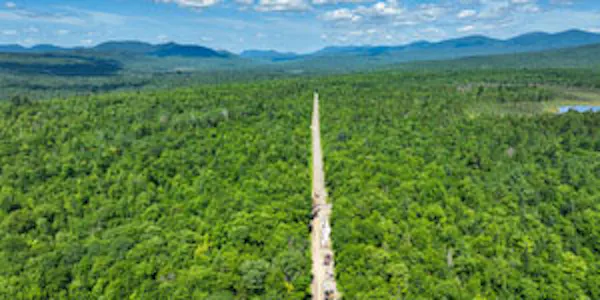
Rural & Private Access Crossings
Preserve property access without complex construction. Velpont delivers durable performance with minimally intrusive installation, even in harsh climates.
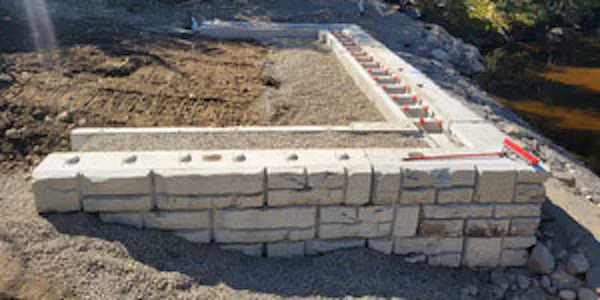
Emergency Crossing Repair
Restore access quickly without sacrificing long-term performance. Velpont installs efficiently and delivers durable, reliable results.
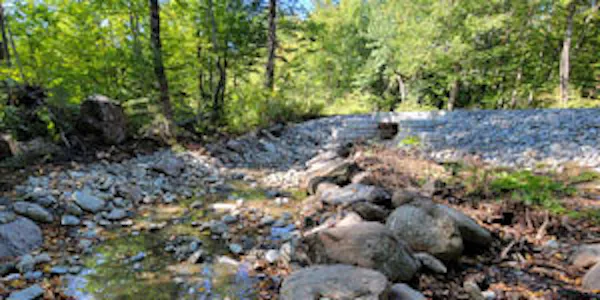
Conservation Group-Led Crossings
Support access while preserving ecosystems. Velpont maintains natural stream processes and wildlife movement while supporting long-term restoration.
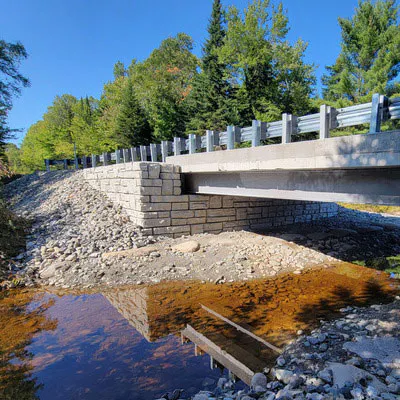
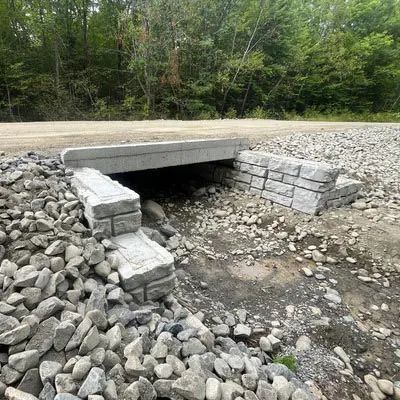
Bog Brook (Brownville, Maine)
The Bog Brook project replaced a deteriorating culvert to restore natural water flow and strengthen the site’s overall infrastructure resilience.
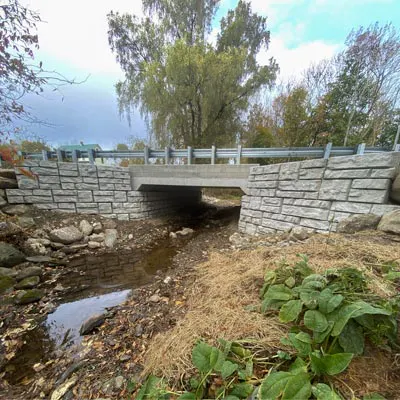
Sucker Brook (Brownville, Maine)
The Sucker Brook project eliminated failing culverts that had created dangerous flooding during storm events, including water flowing over the roadway.
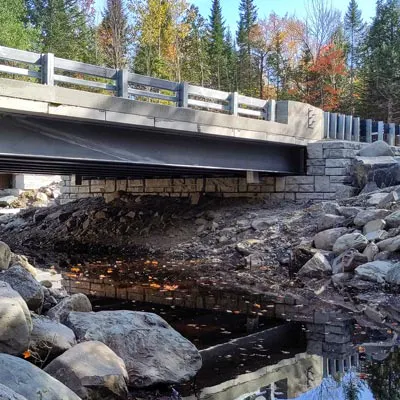
Garland Road (Charleston, Maine)
The Garland Road project removed undersized culverts to strengthen road infrastructure and increase freedom of passage for fish and other aquatic organisms.
Alder Brook (Brownville, Maine)
The Alder Brook project replaced failing culverts that caused yearly washouts, boosting road resilience and restoring aquatic passage for native species.
Wildlife Underpasses: Four-Legged Friendly by Design
Traffic data suggests there are upwards of 2 million wildlife-vehicle collisions annually in the U.S. alone.
Velpont wildlife underpasses create natural corridors beneath roadways that help safeguard lives, reduce long-term costs, and protect surrounding ecosystems. By closely mimicking natural terrain and hydrology, they encourage use by a wide range of species, from amphibians and small mammals to large game, while maintaining habitat connectivity.
With an estimated 1,500 wildlife overpasses and underpasses already installed across the U.S. and Canada...
These structures are becoming a proven, mainstream approach to making roadways safer. Velpont’s modular, precast design aligns with this momentum, offering faster installation, minimal site disturbance, durable long-term performance, and a natural stone-like appearance.
See What You Can Do With Velpont
Browse the bridges that are making a difference for travelers above and below. Learn more about how others are using Velpont.
Funding Your Crossing or Wildlife Underpass
Funding for crossings and wildlife underpasses is often available when projects improve safety, resilience, and environmental performance. Replacing undersized culverts, adding resilient infrastructure, reducing washout risk, restoring natural stream function, and creating safe wildlife passage can qualify projects for multiple transportation and conservation funding programs.
Note: Funding programs and eligibility requirements change over time and vary by location. This list is intended as a general starting point, and availability or program details should always be confirmed directly with the administering agencies.
Custom Crossing. Personalized Pricing.
Velpont pricing reflects your span, site conditions, and configuration. No generic estimates, just project-relevant numbers.
Frequently Asked Questions
What is the maximum crossing length supported by the Velpont system?
Velpont modular bridges can be used on crossings spanning up to 75 ft (22.8 m). Bridge designers will appreciate the flexibility this span offers when working with tricky sites.
How tall can Velpont bridges be built?
Velpont abutments can be constructed to allow up to a 20 ft (6.1 m) rise, depending on specific site conditions.
What ecological impact do bridges have on the environment?
Ideally, bridges have as little impact as possible on local ecosystems. The right bridging solution doesn’t affect the health of the stream or limit the movement of water or wildlife, and lasts a lifetime. Velpont’s wide-span, open-bottom crossing design allows a stream to be a stream, preserving the natural streambed and banks and keeping construction out of the water. Its precast concrete composition also ensures long-term durability in all climates and avoids the frequent replacement often required for less durable culverts and timber bridges.