Comparing Crossings: Velpont vs Arch Culverts
Avg. Read Time: 3 min, 50 sec
Bridging the Gap
Short on time? Here are this article’s key takeaways…
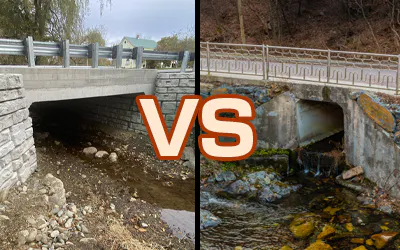
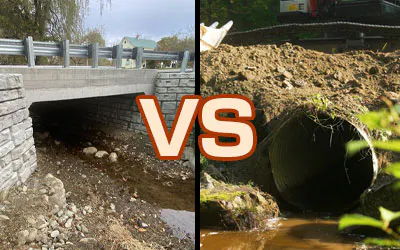
Both arch culverts and Velpont bridges are used as alternatives to traditional pipe culverts, but they approach road–stream crossings differently.
Arch culverts typically rely on buried or embedded structures, whereas Velpont is an open-bottom bridge system spanning the channel.
Installation methods, environmental impact, and long-term maintenance vary based on how each system interacts with the stream.
The right choice depends on site conditions, hydraulic capacity, environmental priorities, and lifecycle value.
Road–stream crossings are essential components of transportation infrastructure, connecting communities, agricultural land, and remote access routes. Arch culverts are often selected as an alternative to round pipes because they provide a larger opening and can better accommodate water flow conditions.
An alternative approach is the Velpont modular bridge system, an open-bottom crossing designed to span the stream rather than interact with it. In this article, we compare Velpont bridges and arch culverts across installation, hydraulic performance, durability, environmental considerations, and cost.
Installation
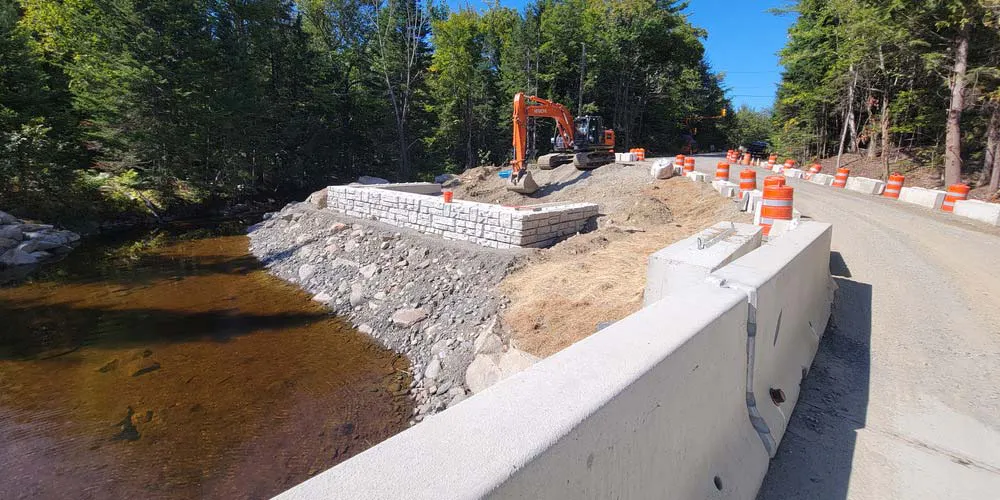
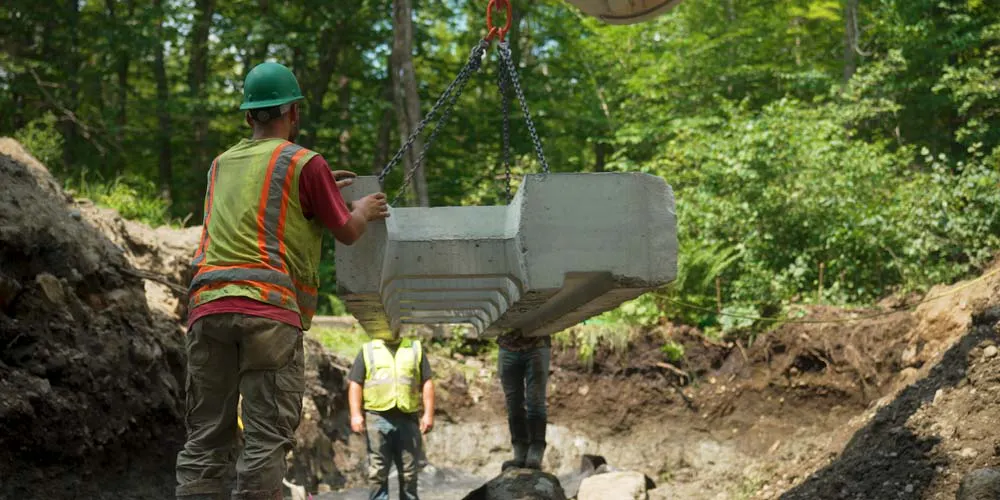
Installation approach directly impacts schedule, cost certainty, and environmental risk. The amount of in-stream work, the type of equipment required, and the construction sequence all influence how predictable and efficient a project will be. For many stakeholders, installation is where differences between crossing types become most visible.
Both systems use conventional equipment, but arch culverts require more in-channel work, while Velpont installations are largely bank-based, helping reduce construction complexity and exposure to water-related delays.
Velpont
- Modular precast concrete components arrive ready for installation
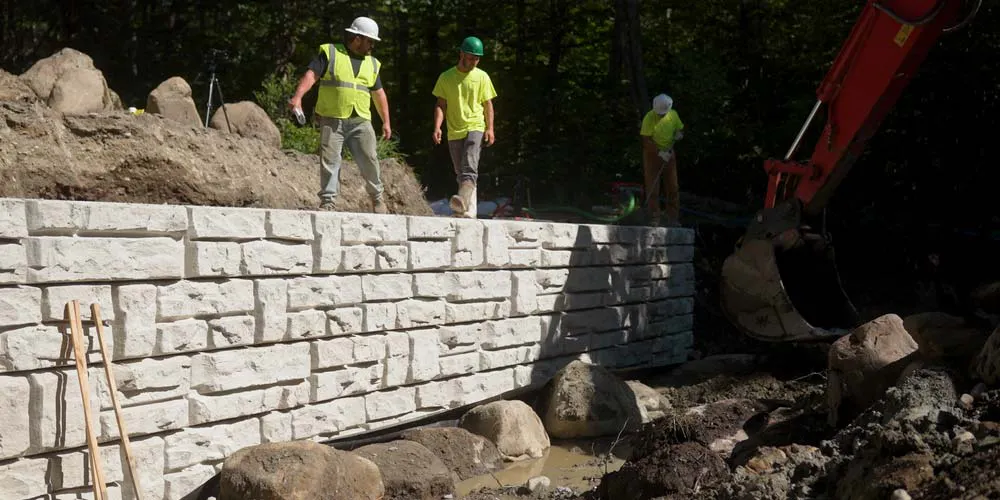
- Abutment blocks are typically installed from the streambanks
- Many installations require minimal or no streambed excavation
- Construction can often be completed in days
- Typically installed with a small crew using standard equipment
Arch Culverts
- Installed within or directly on the streambed or embedded into it
- Require excavation and foundation preparation
- May involve bedding, backfill, and structural embedment
- Installation timelines vary based on water control and site conditions
- Often require in-stream work and sequencing around flow
Hydraulic Performance
Hydraulic performance determines how a crossing handles storm events, debris, and long-term channel stability. Undersized or restrictive crossings can lead to overtopping, washouts, and downstream erosion, making this one of the most critical design considerations.
Arch culverts improve hydraulic capacity over pipes, but still introduce a structure within the channel. Velpont spans the channel entirely, allowing more natural flow conditions and reducing reliance on precise sizing.
Velpont
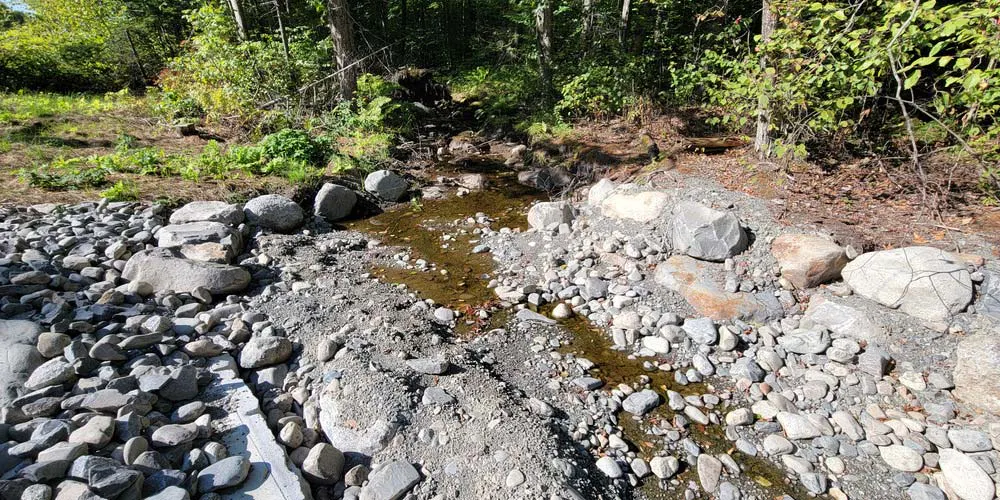
- Open-bottom design spans the full channel
- Maintains natural water flow and sediment transport
- Reduces risk of debris blockage
- Allows the stream to function without confinement
Arch Culverts
- Provide a larger opening than pipe culverts
- Often embedded to simulate a natural streambed
- Performance depends on sizing, embedment depth, and installation quality
- Sediment and debris can accumulate within the structure
Durability and Maintenance
Material performance and maintenance requirements shape the long-term cost and reliability of a crossing. Exposure to freeze–thaw cycles, water, and de-icing chemicals can significantly impact service life and maintenance frequency.
Both systems can perform well when properly designed, but Velpont is positioned as long-term infrastructure, helping reduce the likelihood of cyclical replacement and ongoing maintenance.
Velpont
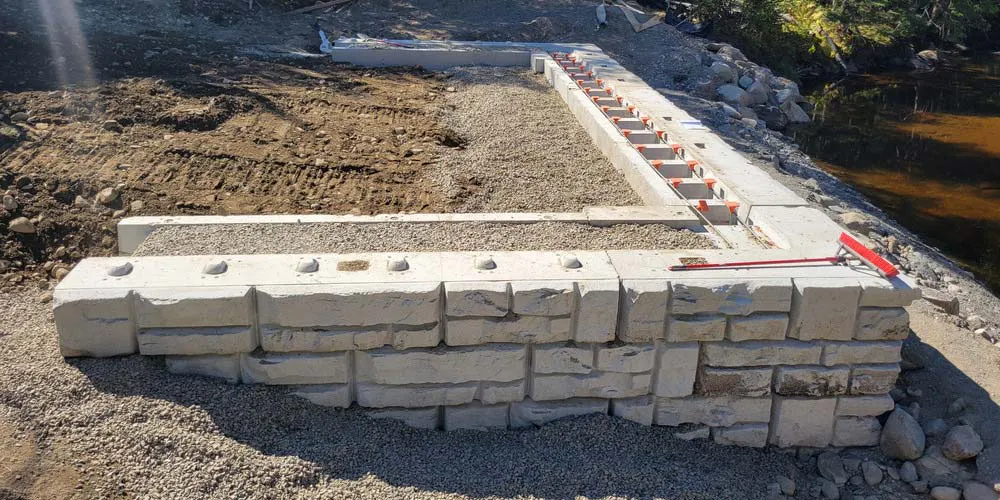
- Constructed from architectural-grade wet cast concrete
- Designed for severe freeze–thaw conditions
- Reinforced with steel rebar and protected by concrete cover
- 75+ year projected service life
Arch Culverts
- Typically made from steel, aluminum, or concrete
- Performance varies by material type and site conditions
- Embedded systems interact with soil and water over time
- Likely to require maintenance or rehabilitation
Environmental Considerations
Crossing design plays a direct role in stream health, habitat continuity, and regulatory approval. Modern projects increasingly prioritize the passage of aquatic organisms, sediment continuity, and reduced construction disturbance.
Arch culverts can support ecological function, but still require stream disturbance during construction. Velpont avoids placing a structure within the streambed, helping preserve natural conditions both during and after installation.
Velpont
- Open-bottom bridge design preserves the natural streambed
- Supports aquatic organism passage and wildlife movement
- Installation often minimizes in-stream disturbance
- Maintains natural bankfull width and stream processes
Arch Culverts
- Often embedded to improve aquatic passage
- Require channel excavation during installation
- May alter sediment transport depending on design
- Performance depends on proper design and embedment
Cost
Cost discussions should extend beyond initial price to include installation efficiency and lifecycle performance. Projects that appear cost-effective upfront may carry higher long-term maintenance, replacement, or risk-related costs.
Arch culverts may offer a lower upfront cost, but Velpont is typically evaluated on lifecycle value, where installation efficiency and durability influence total project cost.
Velpont
- Possible higher material costs due to reinforced precast concrete
- Faster installation can reduce labor and equipment time and cost
- Minimal in-stream work may reduce permitting and dewatering
- Long service life helps limit replacement costs
Arch Culverts
- Material costs vary based on size and material type
- Installation includes excavation, embedment, and backfill
- Water control measures may increase construction cost
- Lifecycle costs depend on maintenance and durability
The Bottom Line
Selecting a crossing type requires balancing engineering requirements with long-term performance goals. No single solution fits every site, and decisions should reflect hydrology, site access, regulatory context, and ownership priorities.
- Arch culverts may be appropriate where embedment is feasible and in-channel construction is acceptable.
- Velpont bridges are often considered where minimizing in-stream work, preserving stream function, and achieving long-term durability are priorities.
The right solution depends on hydraulic requirements, site access, environmental goals, and ownership horizon. Understanding how each option interacts with the stream over time, whether by spanning it or working within it, can clarify which approach best supports long-term performance.